Research questions

Structural variation research image

Structural variation

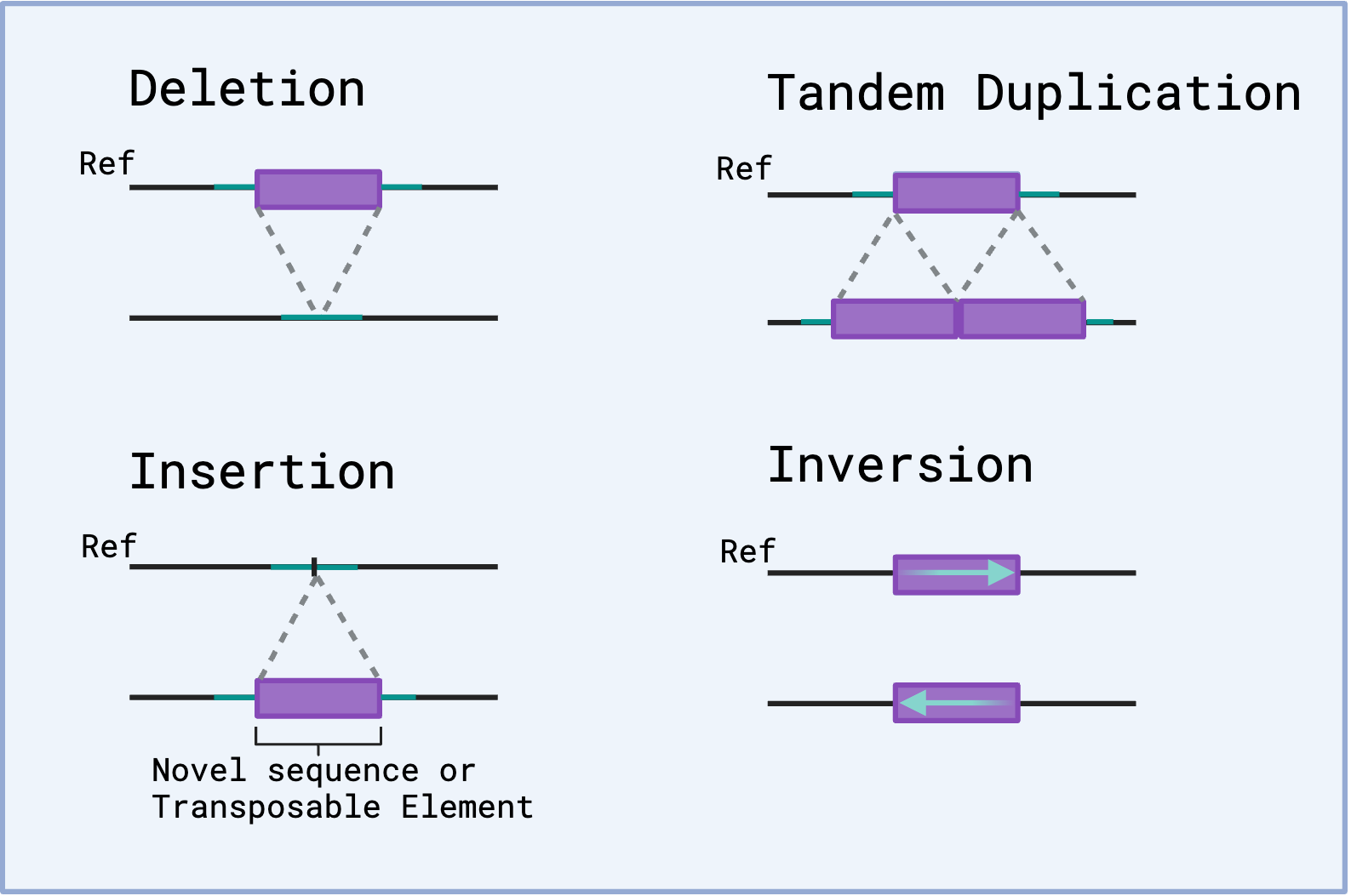
Structural variants (SVs) are large scale changes to the genome, including deletions, duplications, insertions, inversions, and transposable element insertions. These variants can reshape genome structure, alter gene dosage, and disrupt regulatory regions. Because they often occur in repetitive or difficult to assemble regions, SVs have historically been harder to detect than single nucleotide changes.

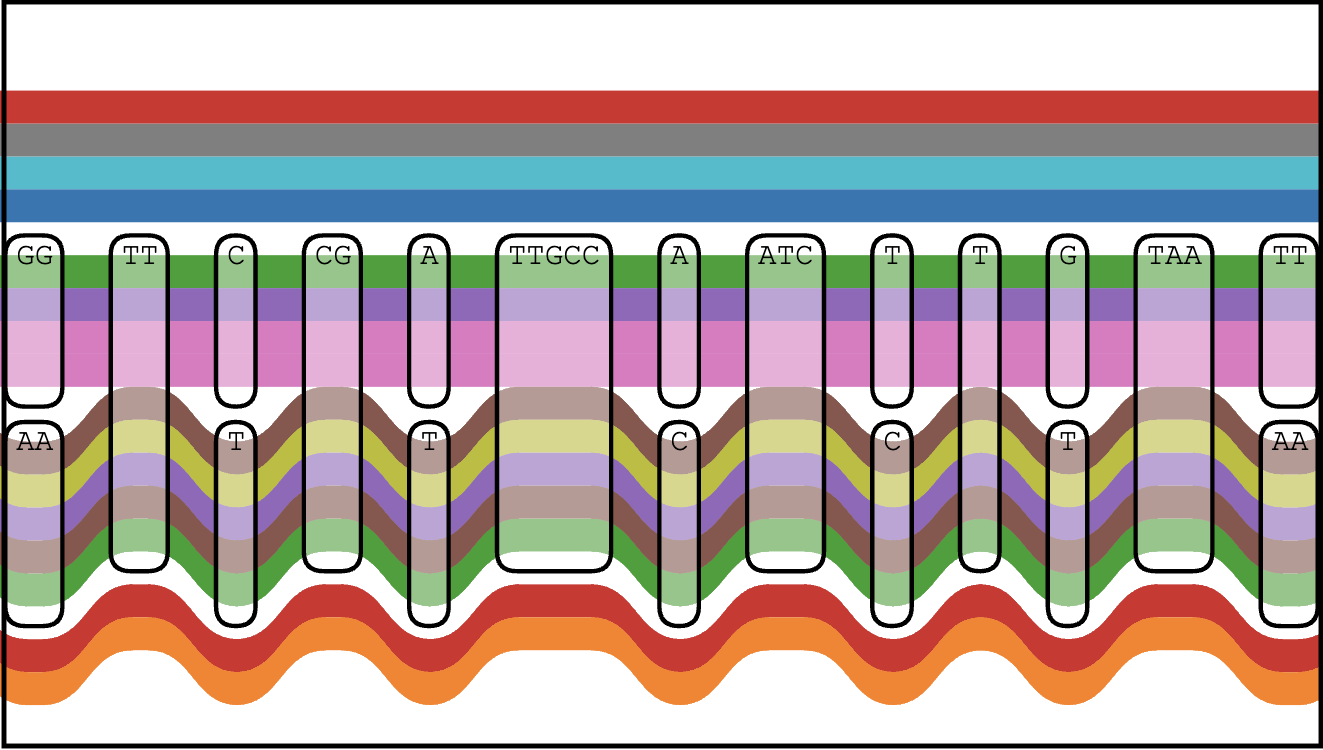
My work uses long-read genome assemblies and comparative genomics to uncover structural variation in complex regions of the Drosophila melanogaster genome. By resolving variants that are missed by standard reference-based approaches, I am interested in understanding how structural changes contribute to phenotypic diversity and genome evolution.
Read Drosophila visible phenotypes paper ↗

Adaptive evolution research image

Adaptive evolution

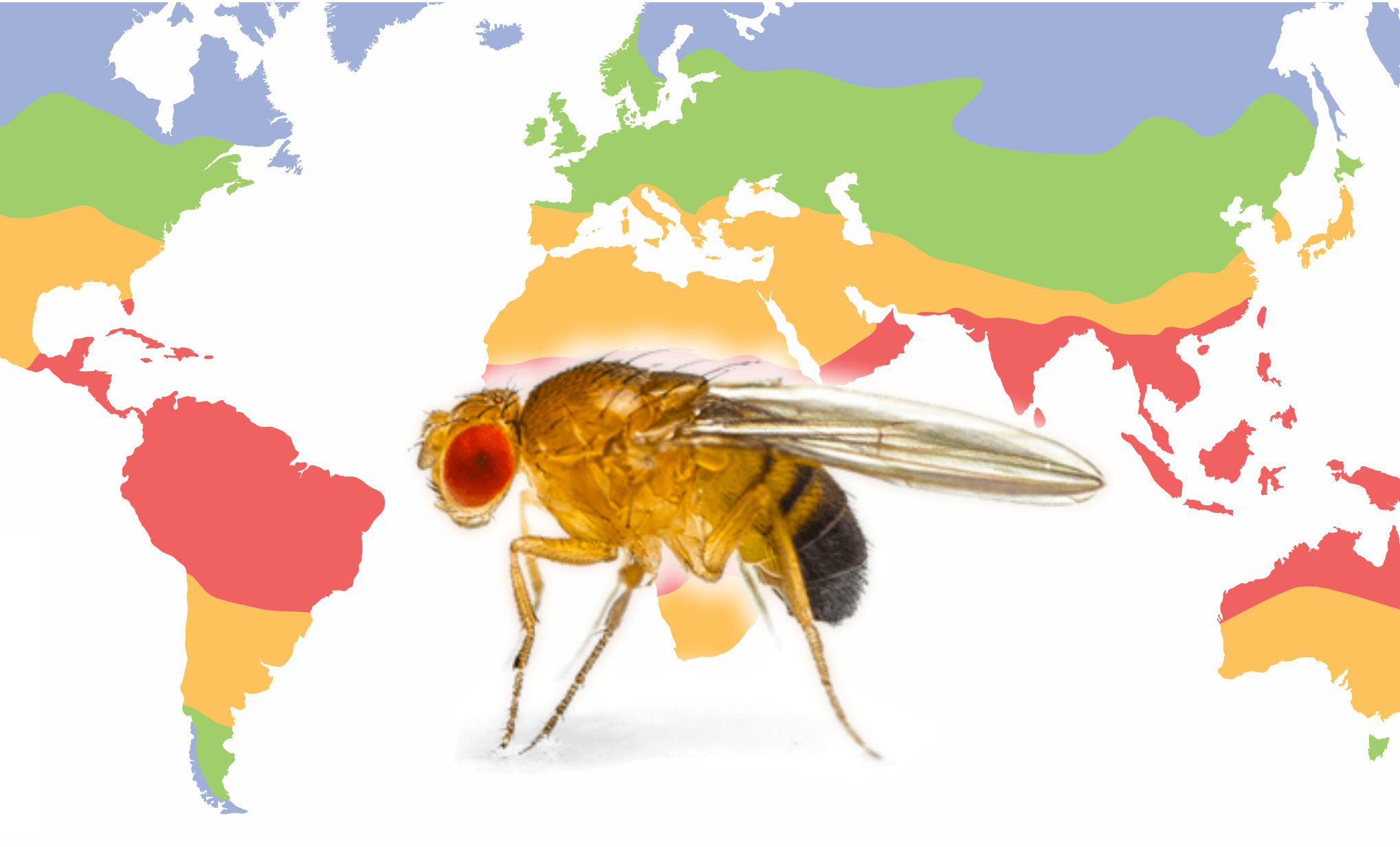
Adaptive evolution occurs when genetic variation helps populations survive and reproduce in new or changing environments. While many studies focus on single nucleotide changes, SVs can also play major roles in adaptation by changing gene copy number, modifying gene regulation, or introducing new genetic material through transposable elements.

I study how SVs contribute to adaptive success across natural populations. In rapidly adapting or invasive species, these variants can reveal how populations respond to ecological pressures such as insecticides, urban environments, climate, and other selective forces. This work helps connect genome structure to the evolutionary processes that are shape adaptation.

Read mosquito genomics paper ↗

Repetitive DNA research image

Repetitive DNA

Repetitive DNA makes up a large fraction of eukaryotic genomes and includes transposable elements, satellites, and other repeated sequences. While they are difficult to study, repetitive DNA is a major force in genome evolution, chromosome organization, and gene regulation.

I am interested in how transposable elements contribute to adaptation, as well as how rapidly evolving satellite and retroelement-rich sequences participate in conserved centromere function and three-dimensional genome organization.

Read centromere variation preprint ↗